Desunka Dawson
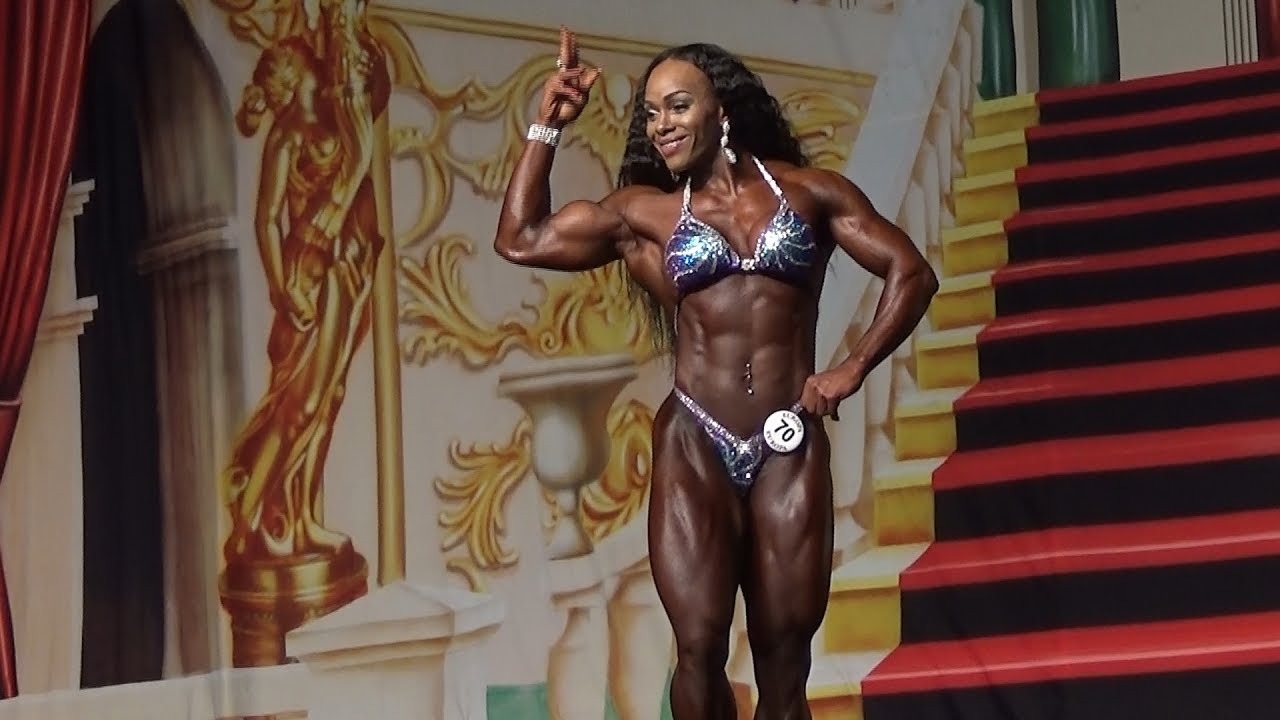
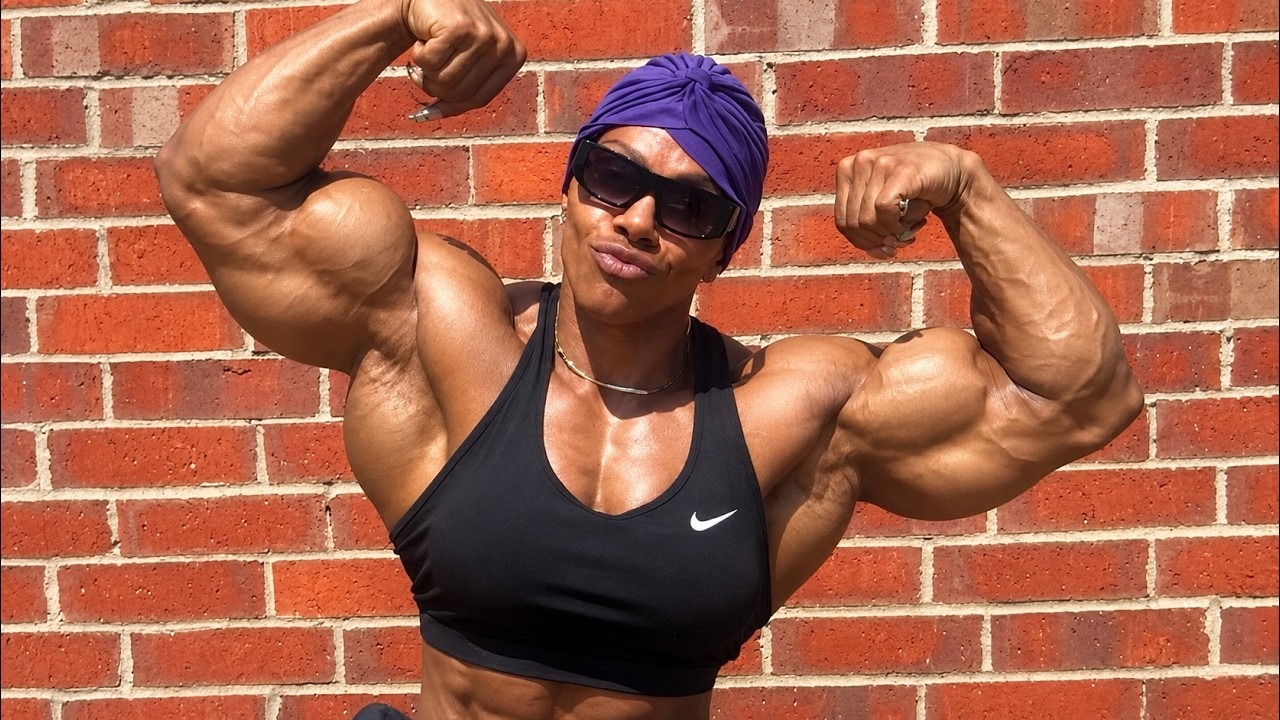
Desunka Dawson is an American IFBB Pro League bodybuilder who competes in the Women’s Bodybuilding division. Her career spans multiple competitive eras and three divisions: Women’s Figure, Women’s Physique, and Women’s Bodybuilding. Through years of competition, changes in physique development, and a return to the bodybuilding stage’s biggest events, she has established herself as an experienced competitor in women’s professional bodybuilding.
Dawson’s journey is particularly notable for its longevity. She began competing in Figure in 2007, moved into Women’s Physique, and eventually transitioned to Women’s Bodybuilding. Her victory at the 2025 Titans Grand Prix Pro secured her qualification for the 2026 Ms. Olympia, where she finished seventh. Her career illustrates the importance of persistence, adaptation, and continued development in a demanding sport.
Early Career and Introduction to Bodybuilding
Desunka Dawson’s competitive journey began in 2007, when she entered the Women’s Figure division at the USA Championships. This early appearance marked the beginning of a long relationship with competitive physique sports.
Figure competitions emphasize symmetry, balanced muscular development, proportions, and stage presentation. Athletes must develop an athletic appearance while meeting the specific standards of the division, which differ from those of Women’s Physique and Women’s Bodybuilding.
Dawson continued competing in subsequent years, including an appearance at the Texas State Championships in 2011, where she finished third in Figure. These early contests gave her experience with competitive preparation, posing, and the demands of presenting a physique before judges.
Her early career laid the groundwork for a longer journey through the sport. Rather than remaining in one category, she would later explore a division that placed greater emphasis on muscular development.
Transition to Women’s Physique
By 2013, Dawson was competing in Women’s Physique, a division that places greater emphasis on muscularity and definition than Figure while continuing to reward symmetry, balance, and presentation.
The transition was a significant step in her competitive development. Women’s Physique requires athletes to display more developed musculature and master a different set of stage poses. Moving into the category therefore involves adjustments to both physical preparation and competitive presentation.
Dawson enjoyed a breakthrough in 2013, winning the Women’s Physique divisions at the Dallas Supershow and the IFBB North American Championships. These victories were important milestones in her career and established her as a successful competitor in the division.
Her subsequent appearances at professional contests, including the Europa Super Show and Titans Grand Prix in 2014, allowed her to build on that success. She continued gaining experience against accomplished athletes and developing her competitive physique.
Building Experience on the Professional Circuit
Dawson continued competing in Women’s Physique over the following years. Her contest history includes appearances at the New York Pro, Europa Dallas, Optimum Classic Pro, and other professional events.
These competitions provided opportunities to measure her development against international competitors. Professional bodybuilding requires athletes to maintain muscular development and conditioning while also presenting their physiques in accordance with the judging criteria of each division.
Dawson continued to compete across multiple seasons, including appearances at the Tampa Pro and Atlantic Coast Masters Pro in 2019. At the Atlantic Coast Masters Pro, she earned a third-place finish, demonstrating her ability to remain competitive in a professional field.
She also competed at the 2020 Arnold Classic, finishing fourth in Women’s Physique. The result was a notable performance at a major bodybuilding event and added to her experience competing on a prominent international stage.
Her continued participation through 2021 and 2022 demonstrated a sustained commitment to the sport. Across these years, she accumulated experience that would later prove valuable when she made another major change in competitive direction.
Transition to Women’s Bodybuilding
In 2023, Dawson moved from Women’s Physique into Women’s Bodybuilding. The transition represented a new phase in her career and introduced a different set of competitive demands.
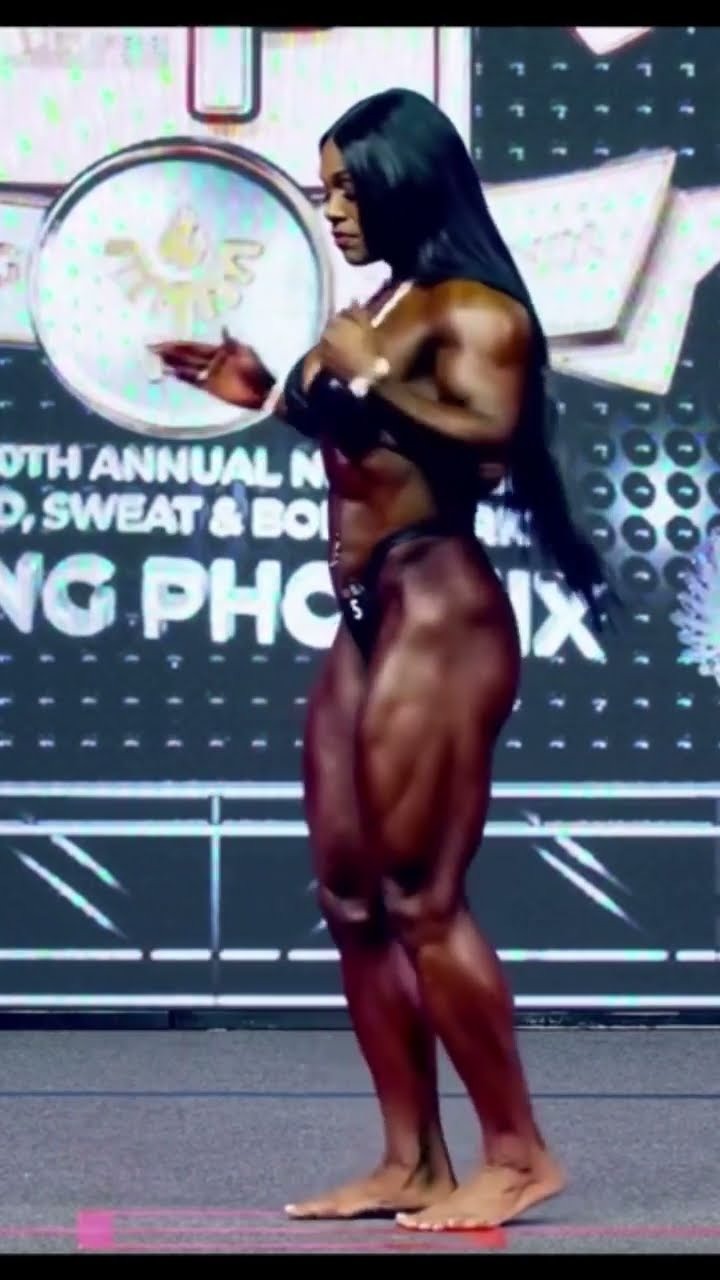
Women’s Bodybuilding places a stronger emphasis on overall muscular size, density, definition, and development. Competitors must display substantial muscularity while maintaining balance and conditioning, and they are evaluated through poses designed to showcase their overall physique.
Dawson’s first recorded professional appearance in the division came at the Atlanta Pro in 2023, where she finished fourth. The result provided a promising start in her new category and demonstrated her ability to compete against established Women’s Bodybuilding athletes.
Changing divisions can be challenging because each category has distinct expectations. Athletes must assess how their muscular development, proportions, conditioning, and posing align with the standards of their chosen division.
Dawson’s transition reflected her continued willingness to adapt after years in Figure and Women’s Physique. Instead of ending her competitive journey in one category, she pursued a new opportunity in a division that emphasized a different level of muscular development.
Breakthrough Victory at the 2025 Titans Grand Prix Pro
The 2025 season marked an important milestone in Dawson’s Women’s Bodybuilding career. She competed at the Titans Grand Prix Pro on September 20, 2025, in Anaheim, California, and won the Women’s Bodybuilding Open division.
The victory was significant because it established her as a professional champion in her new division. It also secured her qualification for the 2026 Olympia, giving her the opportunity to compete against the leading Women’s Bodybuilding athletes in the world.
Winning a professional contest requires more than muscular size alone. Conditioning, symmetry, overall development, and effective stage presentation all contribute to the final result. Dawson’s victory demonstrated that she could bring these elements together successfully against her competition.
The win also represented an important reward for her continued participation in the sport. After competing across several divisions and many seasons, she had achieved a major professional victory in Women’s Bodybuilding.
Her qualification for the Olympia gave her a clear goal for the following season: preparing to compete at the highest level of women’s professional bodybuilding.
Olympia Debut and Seventh Place in 2026
Dawson competed at the 2026 Ms. Olympia in Women’s Bodybuilding, marking her first appearance at the event. She finished seventh in a field featuring some of the division’s most accomplished athletes.
The Olympia is a major milestone for professional bodybuilders because qualification brings athletes together to compete against an elite international lineup. Reaching this stage requires success at the professional level and preparation that meets the demands of a high-profile championship.
Dawson’s seventh-place finish was a significant achievement following her Titans Grand Prix Pro victory. It demonstrated that she could compete on the Olympia stage after transitioning from Women’s Physique to Women’s Bodybuilding.
Her result also reflected the experience she had accumulated over many years in the sport. Competing at the highest level involves not only developing a strong physique but also managing conditioning, posing, and presentation under demanding conditions.
Her Olympia appearance added another important chapter to a career defined by longevity and adaptation.
Training Philosophy and Workout Routine
Dawson’s competitive history reflects the demands of long-term bodybuilding training. Developing a physique for Figure, Women’s Physique, and Women’s Bodybuilding requires attention to muscular balance, proportions, conditioning, and presentation.
However, a complete, independently verified account of her personal training programme—including a weekly split, exercises, sets, repetitions, and training loads—is not available in the reliable public sources reviewed for this biography. It would therefore be inaccurate to attribute a specific workout routine to her without confirmation.
In general, Women’s Bodybuilding competitors use structured resistance training to develop major muscle groups and address individual weaknesses. Training plans may incorporate compound movements, isolation exercises, progressive resistance, and carefully managed recovery.
As athletes move between divisions, their training priorities may change. Figure emphasizes balanced proportions and shape, while Women’s Physique and Women’s Bodybuilding place progressively greater emphasis on muscular development. The exact adjustments depend on the individual athlete and should not be assumed to follow one universal programme.
Posing practice is another essential component of bodybuilding preparation. Competitors must learn to display their physiques effectively and demonstrate the poses required by their division. Conditioning, muscular development, and presentation all contribute to the overall competitive result.
These are general principles of competitive bodybuilding rather than claims about Dawson’s undisclosed personal routine.
Nutrition and Competition Preparation
Nutrition plays a central role in professional bodybuilding. Athletes must coordinate food intake with resistance training, conditioning, and recovery to support muscular development and prepare for the standards required on competition day.
During periods focused on muscle development, nutrition generally needs to support training performance and recovery. As a competition approaches, athletes may adjust their food intake and activity to improve conditioning while attempting to preserve muscle mass.
For Women’s Bodybuilding competitors, preparation must support substantial muscular development while achieving the conditioning needed for stage presentation. Managing these demands requires consistency and adjustments throughout the competitive season.
Dawson’s long competitive history demonstrates her experience with contest preparation, but a complete, verified daily meal plan or detailed supplement protocol was not established in the sources reviewed.
For accuracy, specific foods, calorie targets, macronutrient quantities, and supplement dosages should not be attributed to her without direct confirmation. General nutrition principles help explain the demands of bodybuilding preparation but should not be mistaken for her personal diet.
Longevity and Adaptability in Bodybuilding
One of the most notable aspects of Dawson’s career is its longevity. Her recorded competition history stretches from 2007 to 2026, covering nearly two decades of participation in physique sports.
During this period, she competed in Figure, established herself in Women’s Physique, and eventually transitioned into Women’s Bodybuilding. Each division presented different expectations for muscularity, symmetry, conditioning, and stage presentation.
Her career demonstrates that competitive development does not always follow a straight path. Athletes may change divisions as their physiques develop, their strengths change, or they pursue new competitive goals.
Dawson’s 2025 Titans Grand Prix Pro victory was particularly important because it followed years of experience across different categories. It demonstrated that continued participation and adaptation can lead to success even after a long competitive journey.
Her qualification for and appearance at the 2026 Ms. Olympia further confirmed her place among the athletes competing at the highest level of the sport.
Legacy and Future Prospects
Desunka Dawson has established a distinctive place in women’s bodybuilding through her long career and progression across multiple divisions. From her early Figure competitions to her victories in Women’s Physique and eventual professional success in Women’s Bodybuilding, her journey reflects sustained commitment to competitive physique sports.
Her 2025 Titans Grand Prix Pro victory was a defining achievement, securing her qualification for the 2026 Olympia. Finishing seventh at the Ms. Olympia marked another significant milestone and brought her career to the sport’s most prestigious stage.
Dawson’s story is notable not only for individual results but also for her ability to continue competing while adapting to different categories. Her experience illustrates the physical preparation, presentation skills, and persistence required to remain involved in bodybuilding over many years.
As she continues her competitive career, her ability to maintain muscular development, achieve appropriate conditioning, and present her physique effectively will remain central to her prospects.
Her journey serves as an example of how professional bodybuilding can involve multiple stages of development, with each division providing new challenges and opportunities for growth.