Who is Flex Wheeler?
Flex Wheeler is one of bodybuilding’s most iconic and revered figures. Born as Kenneth Wheeler on August 23, 1965 in Fresno, California, he overcame a difficult upbringing — poverty, childhood abuse and dyslexia — to rise as a top-tier professional bodybuilder.
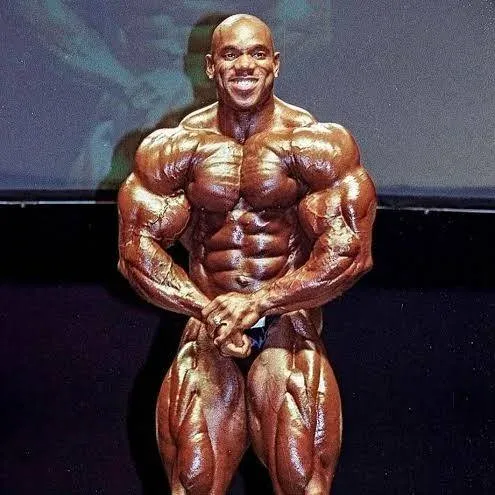
He began with martial arts and weight training as a teenager, later shifting fully to bodybuilding. His unique blend of muscle size, symmetry, and flexibility earned him the nickname “The Sultan of Symmetry.”
Career Highlights & Achievements
Rise to Fame & Dominance
-
Flex earned his pro-card after winning the 1992 NPC USA Championships.
-
His pro debut in 1993 was extraordinary: he won the Ironman Pro Invitational, the Arnold Classic, the German Grand Prix and the French Grand Prix — and placed 2nd at Mr. Olympia that same year.
-
Wheeler won the Arnold Classic four times (1993, 1997, 1998, 2000) — a record at the time.
-
He was consistently among the most aesthetic and symmetrical physiques — praised by legendary peers (even Arnold Schwarzenegger called him “one of the greatest” he’d ever seen).
Trials, Health Battles & Comeback
-
In 1994, Flex survived a serious car crash that nearly left him paralyzed — yet returned to high-level competition within a year.
-
In 1999, he was diagnosed with a serious kidney disease, Focal segmental glomerulosclerosis (FSGS), which eventually forced him into retirement.
-
After a kidney transplant in 2003, he withdrew from professional bodybuilding.
-
In October 2019, due to severe circulatory problems, he underwent amputation of his right leg below the knee — a life-changing event.
Life After Competition
-
Flex returned to martial arts — his first passion — specializing in disciplines like Kemp-Kwon-Do.
-
He transitioned into coaching, fitness entrepreneurship, and public-relations roles for sports-nutrition companies.
-
Despite adversity (health issues, leg amputation), he remains an inspiration — symbolizing resilience, discipline and the indomitable spirit of a champion.
Training, Style & Legacy Philosophy
-
Flex was always more than just mass — he prioritized symmetry, proportion, conditioning, and presentation, which made his physique stand out.
-
He viewed himself first as a martial artist, second as a bodybuilder — explaining his flexibility and fluid posing, which earned his nickname.
-
Even after retirement and significant health issues, he remained active — sharing his knowledge, coaching others, and representing a philosophy of overcoming adversity and constant self-improvement.
Why Flex Wheeler Matters — His Impact & Legacy
-
Many bodybuilding fans and fellow pros consider him among the greatest “what-if” legends — a man who arguably had the look, discipline, and wins to be Mr. Olympia, yet faced circumstances that prevented it.
-
His blend of aesthetics + mass + flexibility helped set a standard for “classic plus size”: inspiring future generations who seek both size and symmetry.
-
His story — from hardship, illness, near-death experiences, transplant & amputation — showcases human resilience. He remains proof that greatness isn’t just about trophies, but also how you rise after you fall.
-
As a coach and public figure, Flex continues influencing fitness culture — advocating body transformation, balance, mental toughness, and long-term health.