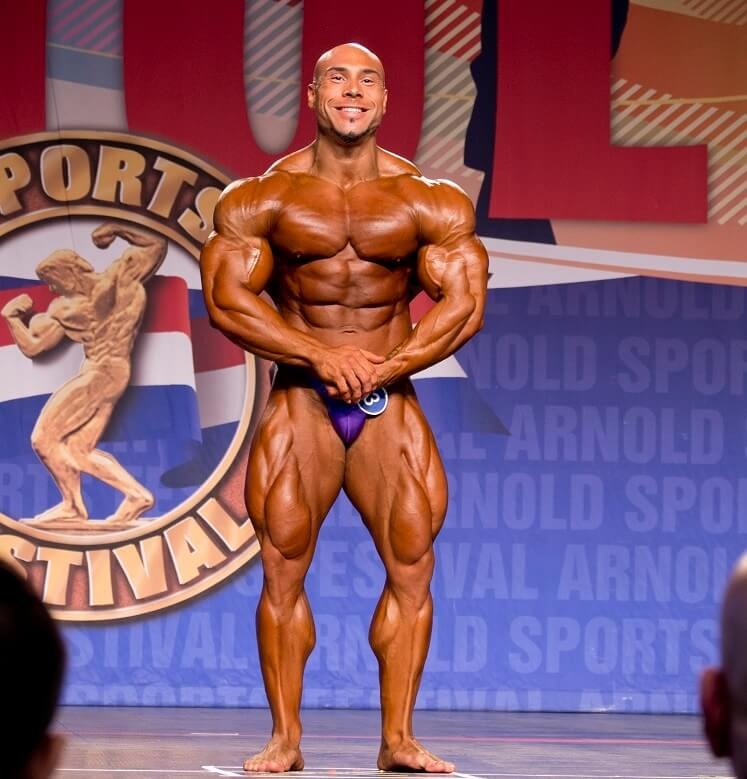
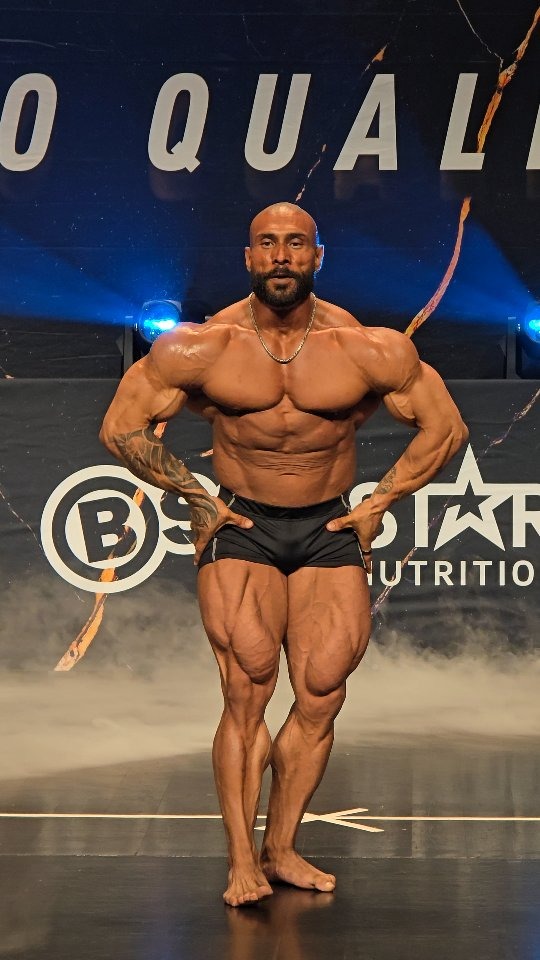
Samir Troudi: IFBB Pro Bodybuilder
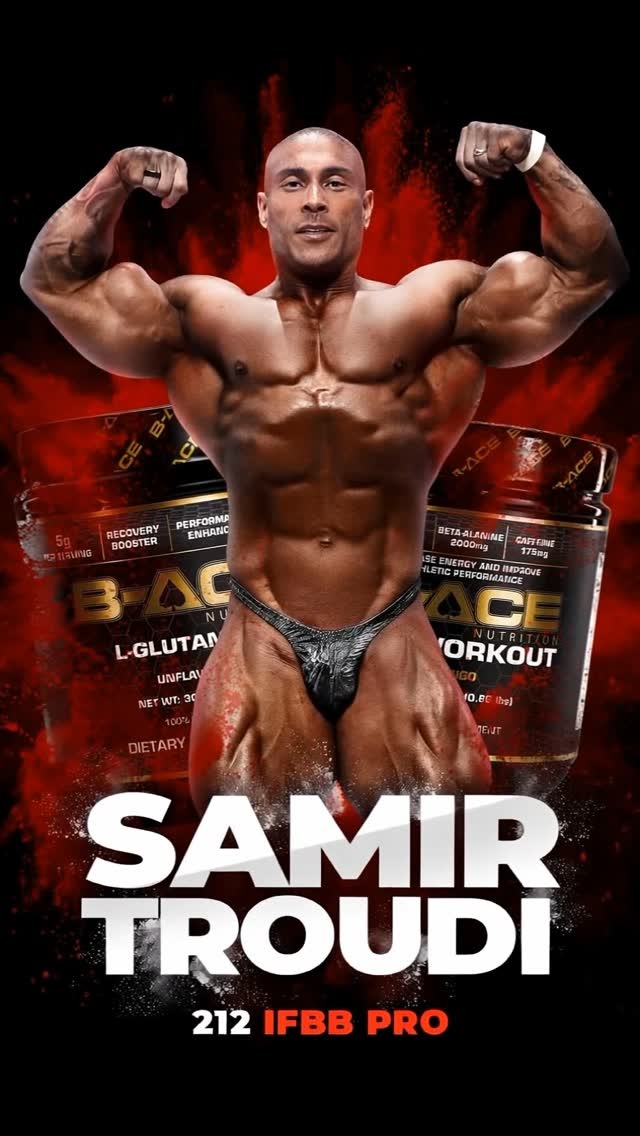
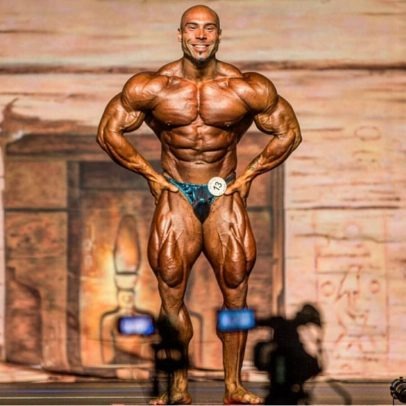
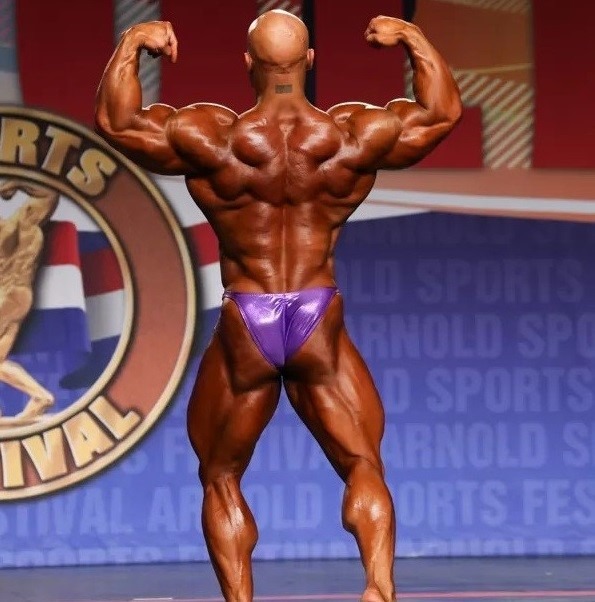
Samir Troudi is an accomplished professional bodybuilder known for his dense muscularity, symmetry, and incredible stage presence. From humble beginnings in Sweden to the international bodybuilding stage, Samir has proven that dedication, discipline, and a love for the craft can transform a passion into a professional career.
Samir Troudi: Early Life & Background
Born in Uddevalla, Sweden, on December 1, 1983, Samir Troudi has a multicultural background, with a Tunisian father and Egyptian mother. Growing up, he participated in multiple sports — soccer, hockey, handball, swimming, and martial arts — before discovering his true calling in bodybuilding.
Samir Troudi Training & Workout Routine
Samir’s training philosophy emphasizes balance, density, and symmetry. His regimen combines heavy lifting, high volume, and strict form.
Typical Weekly Split:
-
Day 1: Back
-
Day 2: Arms
-
Day 3: Legs
-
Day 4: Rest
-
Day 5: Delts & Chest
-
Day 6: Optional calves & abs
-
Day 7: Rest
Samir focuses on back workouts, arm development, and classic physique posing to maximize his stage presentation.
Diet & Nutrition
Nutrition is a key part of Samir Troudi’s success. His diet changes depending on off-season mass-building or pre-contest cutting.
-
Off-season: High-calorie intake (~4000 kcal) for muscle growth.
-
Pre-contest: Gradual reduction to ~2700 kcal for peak definition.
-
Foods include: Lean proteins, whole grains, vegetables, and supplements.
This structured approach allows him to maintain muscularity, symmetry, and conditioning for competitions like Mr. Olympia.
Legacy & Influence
Samir Troudi is more than a competitor: he’s an inspiration for aspiring bodybuilders globally.
-
From Sweden to IFBB Pro: His journey shows that dedication and discipline lead to success.
-
Role Model for Shorter Athletes: At ~5′5″, Samir demonstrates that height does not limit professional bodybuilding achievements.
-
Multicultural Influence: Represents a bridge between Scandinavian and North African bodybuilding communities.