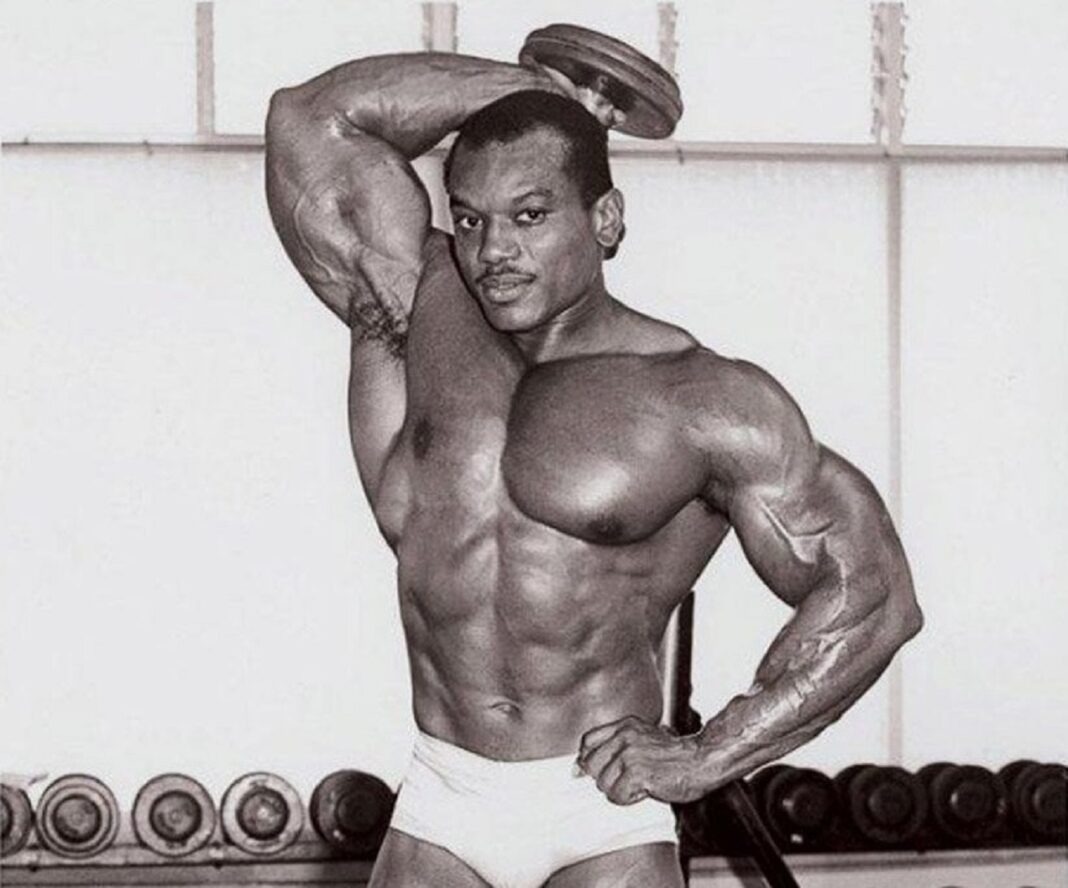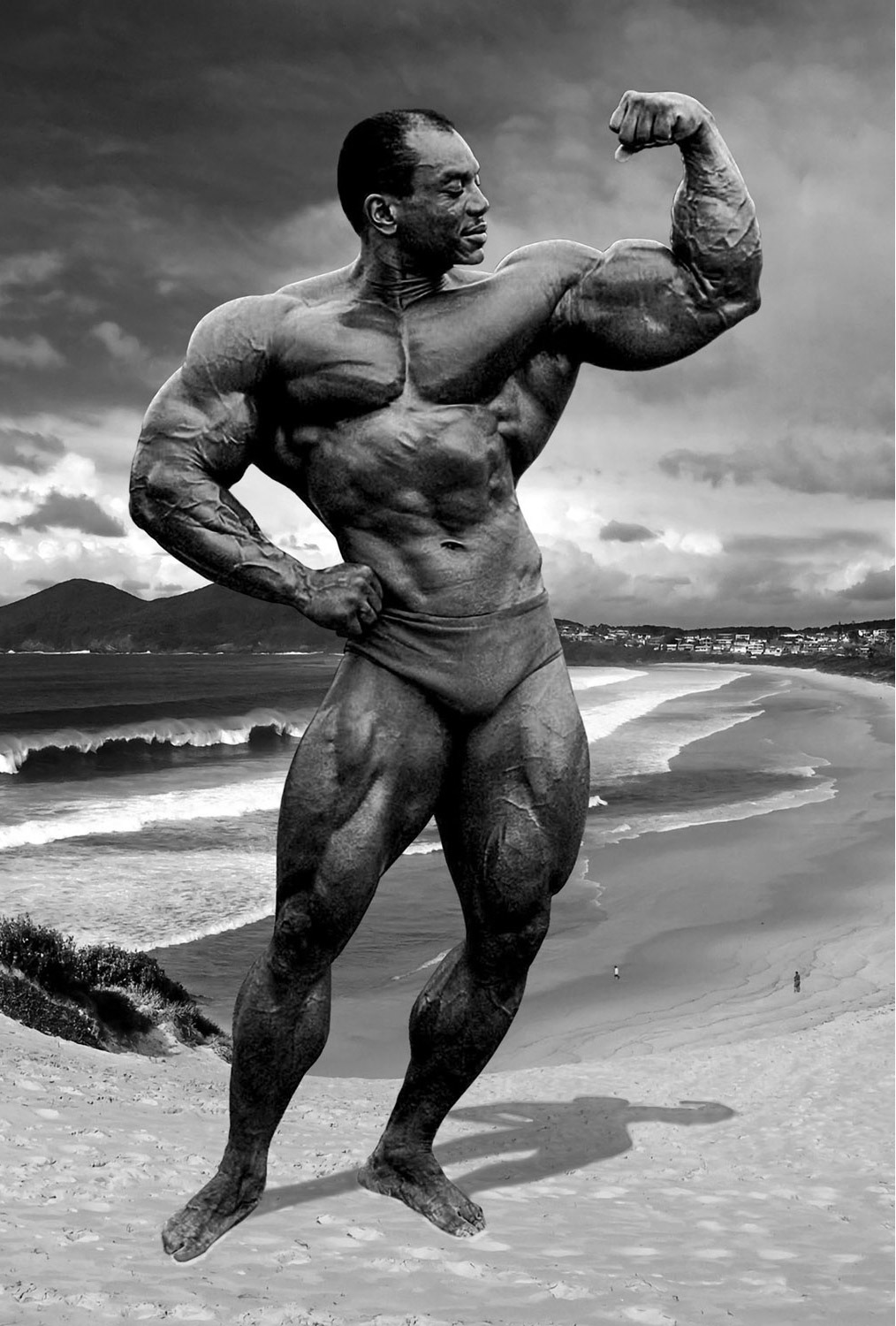
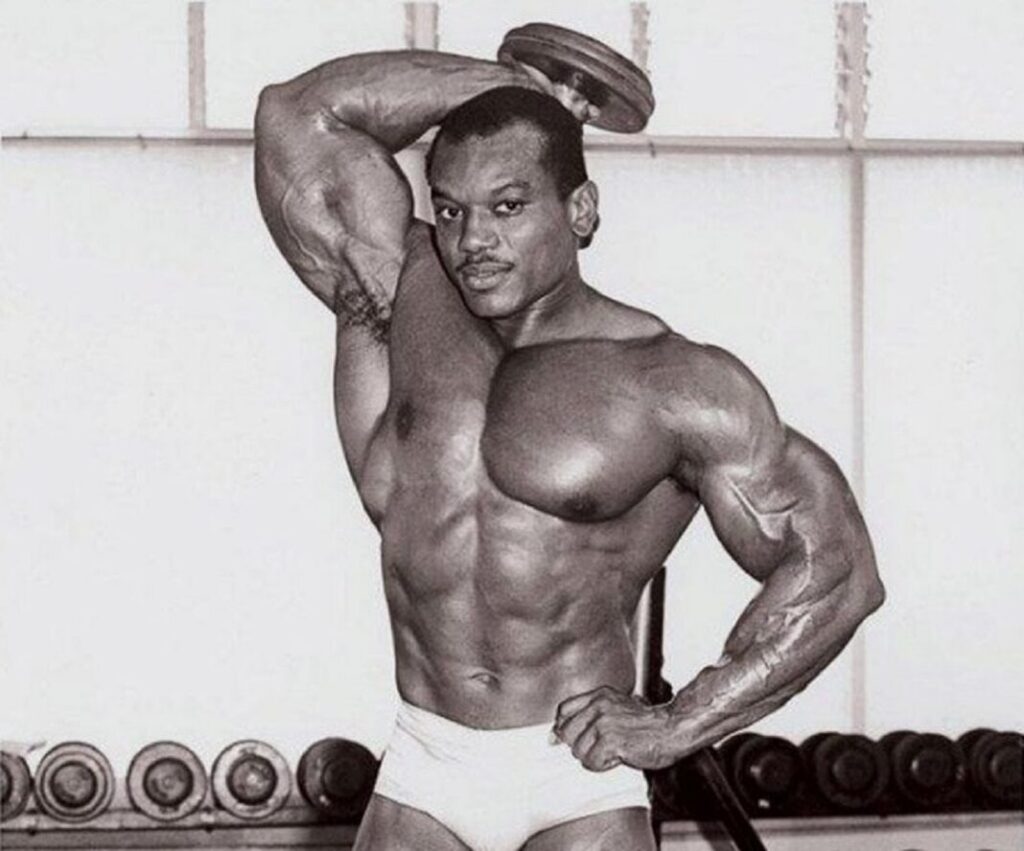
When people talk about legendary physiques in bodybuilding history, few names evoke as much awe as Sergio Oliva. Nicknamed “The Myth,” Oliva’s extraordinary symmetry, muscle mass, and aesthetic proportions made him a towering figure in the sport during the 1960s and 1970s — and even decades later, his legacy continues to influence aspiring bodybuilders worldwide. From humble beginnings in Cuba to becoming a three‑time champion of the elite International Federation of BodyBuilding & Fitness (IFBB) Mr. Olympia competition, his journey is as inspiring as it is remarkable.
Early Life and Entry into Strength Sports
Sergio Oliva was born in Cuba in 1941. His upbringing involved hard physical labor — as a child, he worked in sugar‑cane fields, building an early foundation of strength and endurance.
As a teenager, Oliva’s raw strength was already evident: he reportedly could clean and jerk over 400 lbs. — an extraordinary feat for a young athlete, hinting at the unique genetic potential that would later define his bodybuilding career.
In 1962, Oliva competed in the Cuban national weightlifting championships where he placed second. Subsequently, after representing Cuba at regional games in Jamaica, he made the bold decision to defect to the United States, seeking political asylum.
Once in the U.S., he immersed himself in bodybuilding, leveraging his strength background to quickly rise through the amateur and then professional ranks.
Competitive Bodybuilding Career & Achievements
Sergio Oliva’s competitive bodybuilding career spanned more than two decades (1962–1985).
Rise to Prominence
-
His first major professional victory came in 1966, when he won the title of Mr. World (IFBB). That same year he also earned top honors in the “Tall” category at Mr. World.
-
By 1967, he made history at the Mr. Olympia competition — becoming the second man ever to win the title and the first non‑white athlete to do so.
Mr. Olympia Dominance (1967–1969)
-
1967 Mr. Olympia — Winner.
-
1968 Mr. Olympia — Winner (uncontested). Remarkably, this remains the only time in Olympia history a champion won unopposed.
-
1969 Mr. Olympia — Winner. That year, Oliva defeated Arnold Schwarzenegger — the only bodybuilder to ever beat Arnold on Olympia stage.
These three consecutive Olympia victories cemented his legacy as a legend of the sport. Many regard him as among the greatest bodybuilders of all time.
Later Career, Comeback & Retirement
After his Olympia dominance, Sergio continued competing. He placed 2nd at Mr. Olympia in 1970, 2nd again in 1972.
In the 1980s, after a hiatus working regular jobs and as a Chicago police officer, he made a comeback. In 1984 Olympia he returned — his son Sergio Jr. was taken onstage as an infant in a symbolic gesture of legacy.
He also competed in 1985 Olympia, finishing 8th — and soon after retired from competitive bodybuilding.
Over his long career, he won roughly 20 first‑place titles across various national and international bodybuilding competitions.
Beyond his contest victories, his physique — massive muscle mass with symmetry and proportion — made an indelible mark on bodybuilding’s “Golden Era.”
Life Beyond Bodybuilding
After reaching the top of bodybuilding, Sergio didn’t just fade away. Instead, he led a multi-faceted life:
-
He served as a police officer in Chicago for about 25 years.
-
Despite being a legend, he continued working regular jobs — including foundry work — and still maintained a rigorous training schedule.
-
In 1986, tragedy struck: he was shot five times by his then‑wife Arleen Garrett during a domestic dispute. Miraculously, he survived and made it to the hospital, but this incident effectively ended his competitive bodybuilding aspirations.
Even after retirement, he remained a revered figure at bodybuilding events — fans and fellow athletes often sought his autograph and paid tribute to his contributions.
Training Style & Philosophy
What made Sergio Oliva stand out wasn’t just raw muscle — it was how he combined strength, aesthetics, and balance. While concrete details of his training routine are not always precisely documented (unlike modern-day bodybuilding stars), multiple sources highlight key aspects of his approach:
-
He began as a weightlifter — not a bodybuilder — which built a strong foundation for power, functional strength, and heavy compound movements.
-
His transition to bodybuilding capitalized on his genetic gifts: great muscle insertions, proportions, and astonishing symmetry. Many consider him among the most genetically gifted athletes in bodybuilding history.
-
Despite working long jobs (foundry, police), he maintained discipline: reportedly working up to 14 hours a day, then training for hours — showing remarkable dedication and time management.
-
His lifestyle reportedly included massive hydration (drinking gallons of water and milk daily), simple clean eating — reflecting the hardworking, old‑school ethos of bodybuilding’s early era.
His philosophy seemed to be less about chasing trends and more about maximizing his natural gifts through hard work, discipline, and consistency.
Legacy and Influence
Sergio Oliva’s impact on bodybuilding is profound and enduring:
-
He was the first non-white athlete to win Mr. Olympia — a milestone in the sport’s history.
-
He remains the only bodybuilder to defeat Arnold Schwarzenegger on the Olympia stage — a feat that has become legendary.
-
His physique set a gold standard — massive muscularity WITH symmetry and proportion — inspiring countless later generations of bodybuilders to focus not just on size, but aesthetics as well.
-
Even after retirement, his presence at bodybuilding events and the respect he commanded among peers kept his name alive.
-
His legacy continues through his son, Sergio Oliva Jr., who entered professional bodybuilding and remains a figure in today’s bodybuilding world.
The Controversies & Hardships
Sergio’s life was not without shadows. His journey reflects more than just success — it also includes struggles and resilience:
-
The 1986 shooting incident inflicted serious injuries and abruptly ended his competitive aspirations.
-
Maintaining a career as a police officer and working in physically demanding jobs while trying to stay at peak physique is a testament to his discipline — but also likely took a heavy physical toll.
-
Later in life, his health declined, and he died on November 12, 2012, reportedly from kidney failure. His death was the first among any of the Mr. Olympia winners.
Despite these hardships, the reverence around his name only grew — if anything, adversity added to the legend of “The Myth.”
Influence on Modern Bodybuilders & Culture
Sergio Oliva’s influence extends beyond just trophies and titles:
-
Many consider him the definition of what “classic bodybuilding greatness” meant — huge muscle mass combined with balance, proportion, and symmetry. Even decades later, physiques inspired by his shape — broad chest, wide back, balanced arms, slim waist — remain aspirational.
-
His life story — from Cuban weightlifter to global icon — resonates as an example of what dedication, hard work, and genetic gifts can yield if properly nurtured.
-
Through his son, Sergio Oliva Jr., his legacy persists in modern competitive bodybuilding. The younger Oliva often speaks about the pressure and privilege of carrying forward his father’s legacy.
-
For many fans, his story underscores that bodybuilding isn’t just about being big — it’s about discipline, resilience, and character.
Why Sergio Oliva Still Matters Today
In the era of modern bodybuilding — where massive size, advanced supplements, and extreme training protocols dominate — Sergio Oliva remains a reminder of something more fundamental: pure aesthetics, symmetry, and the raw power of genetics combined with willpower. His achievements came in a time without today’s advanced science, yet his physique often outshone those of later eras.
He serves as a benchmark: a bodybuilder who didn’t just aim to be jacked — he aimed to be legendary. “The Myth” wasn’t just a nickname: it was a statement.